
Offering a custom fan solution for textile industry to meet your exact specifications
The textile industry is a major manufacturing sector that produces a wide range of products, from clothing to household items such as towels and bed linen. However, the textile industry also generates a significant amount of waste and pollution during production. That’s why the industry relies on industrial fans to help with processes such as air jet spinning, waste removal, moisture control, and fabric drying. In this article, we will explore the role of industrial fans in the textile industry and their importance in maintaining the quality and efficiency of production processes.
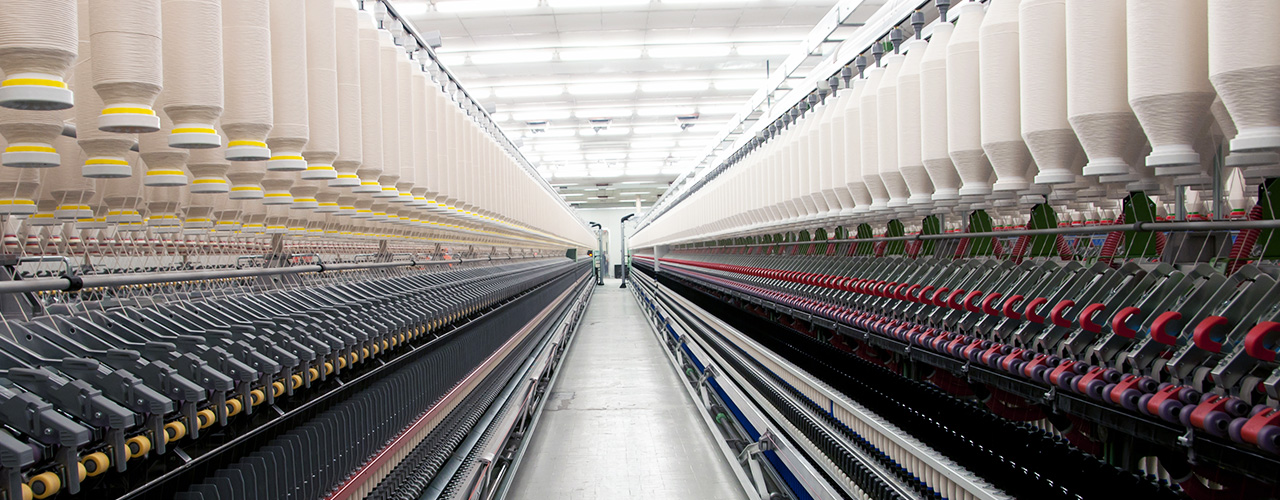
Air Jet Spinning
Air jet spinning is a textile manufacturing process that uses compressed air to spin fibers into yarn. This process involves high-speed air jets that create a vortex that pulls fibers onto the spindle, producing a continuous thread. The process requires a significant amount of compressed air, which is provided by industrial fans.
Industrial fans play a critical role in air jet spinning by providing the necessary compressed air to the system. These fans also help regulate the air pressure and flow rate, ensuring consistent and reliable yarn production. The high-speed airflow created by the fans also helps to remove any loose fibers or debris from the yarn during production, resulting in a cleaner and more durable product.
Waste Removal
The textile industry generates a large amount of waste during the production process, including dust, lint, and fibers. These waste materials can be hazardous to workers’ health and can also cause damage to machinery if not properly removed. Industrial fans are used to create a negative pressure environment that helps to remove waste materials from the production area.
The waste removal process involves positioning industrial fans at strategic points in the production area to draw in air and waste materials. The airflow generated by the fans carries the waste materials away from the production area and into a collection system, where they can be properly disposed of. The use of industrial fans in waste removal not only improves the health and safety of workers but also reduces the risk of machinery damage, resulting in lower maintenance costs.
Moisture Control
Controlling moisture is a critical factor in textile production. High humidity levels can cause fibers to stick together, leading to quality issues such as uneven yarn thickness and fabric shrinkage. On the other hand, low humidity levels can cause static buildup, making fibers more difficult to handle and process. Industrial fans can be used to control humidity levels in the production area, creating an optimal environment for textile production.
Industrial fans are used to circulate air and regulate humidity levels in the production area. These fans can be equipped with dehumidifiers or humidifiers to control moisture levels, ensuring consistent and high-quality textile production. The use of industrial fans in moisture control can also help to reduce energy costs associated with air conditioning and heating, as the fans can be used to distribute conditioned air throughout the production area.
Fabric Drying
Drying fabric is an essential step in textile production. Moisture in fabric can lead to mold growth, unpleasant odors, and fabric shrinkage. Industrial fans are used to circulate air and remove moisture from the fabric during the drying process.
The fabric drying process involves positioning industrial fans in strategic locations around the drying area. These fans create a high-speed airflow that helps to remove moisture from the fabric surface. The use of industrial fans in fabric drying not only ensures consistent and efficient drying but also helps to prevent quality issues such as fabric shrinkage and mold growth.